

3·
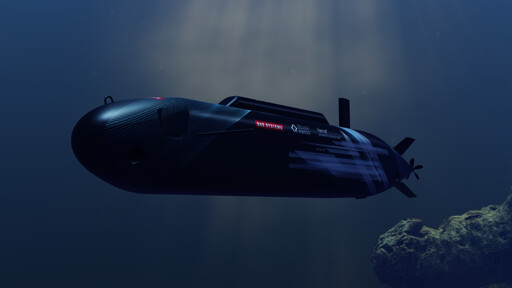
10 hours agoMining The Deep Sea Is A Horrible, Deeply Irresponsible Idea
Mining The Deep Sea Is A Horrible, Deeply Irresponsible Idea

A gamer like me puts multiple of tons of pressure on their graphics cards with each 360 no scope.
Every Republican plan when you really break it down to the essential elements is just another racist, sexist plan to address overpopulation via cruelty.
Honestly I am shaken, if something this good could fail what is the meaning of anything?
The only way this will ever work is if Musk fundraises for it by promising the rest of us he will live offworld on the orbital solar farm alone for the rest of his life.
FINALLY a tiny chip I can crush and it won’t break.

and he never even got the Pedo-island invite

Fuck the Olympics, fuck this guy.
“You have it easy these days kid, my parents had to fight off crippling diseases you have never even heard of.”
“I have dad, the guy you voted for brought them back!!?!”

This is also a great article on her
“To me, the most rewarding improvising is having agreed on an idea beforehand, where the scene might go, who your character is, or what might possibly be funny about your character, and at the same time be completely open to the other people because you’re not alone,” O’Hara said.
In his book Improv Nation, Sam Wasson calls her “one of the most fluid improvisers of her generation. Others may be crazier; none were as elegantly at ease.”
https://www.theguardian.com/film/2026/feb/01/catherine-o-hara-obituary

Operation Harsh Doorstop, Easy Red 2 and I have been exploring Rigs Of Rods a bit, I think it is an underrated driving game well suited to the deck but it has lots of quirks and I am gonna do a more indepth post on it when I get all my recommendations for fun starter vehicles and levels together.

I am working on leveling up my skills to be shorter, it is taking forever to grind the xp though.
Maybe for you, I am so tall it takes me forever to sit.

Yeah that is how it goes, you add one lane and then another and the EM traffic just keeps growing to match it.
When someone points out one thing came before another to support an argument simply respond very confidently “only chronologically!”

Thank you so much, keep up the great work!

Cleland said she could “discern no reason why the agents stopped me other than the fact that I was following them.” But on January 13, she received an email notification that her Global Entry and TSA Precheck privileges for passing through airport security were revoked, she said. Cleland said the revocation appears to be a form of intimidation and retaliation:























Overpopulation concerns are a costume thrown together by the rich to make people distracted from how it is the rich that are making the world uninhabitable.