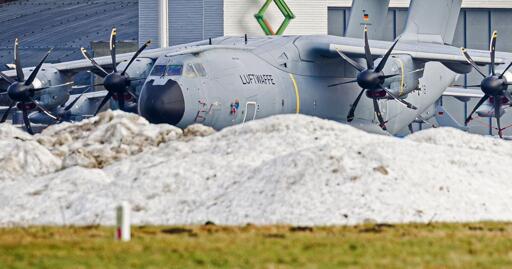
Small numbers of troops from European countries — including Denmark, France, Germany, Sweden, Norway and Britain — are being deployed to the Arctic island.
Was a pipe dream to think Carney would stand up to the orange menace.
The Carney government had been good on diversifying economically, but not so much on security. Also, Carney backed Trump’s plan for Gaza, and essentially backed the actions taken in Venezuela. Carney wrote an article in the economist a couple of months ago that basically said goodbye to universal multilateral institutions, which are the foundation of having international law. I don’t know what to expect from Carney on continental security vs NATO violations, but he has certainly not drawn a clear line in the sand against US imperialism.
Maybe Carney is buying time. The economy has to be on good footing first; he has a minority government and needs to keep his support up. Only about 1/3 of Canadians are currently awake to the threat posed by Fascist America, but everyone cares about jobs and prices. A military buildup is underway in Canada but it will take time. As Canada gets stronger and breaks away economically from the USA, the Americans will get weaker. Trump is squandering resources threatening countries on every continent. The US navy doesn’t know if it should be in the middle east or the Gulf of Mexico or the North Atlantic. His government is totally incompetent on economic matters - his trade war will ultimately hurt the US worse than the rest of the world. When the AI bubble pops, the US economy is gonna be fucked. I think that Carney doesn’t want to interrupt Trump as he is digging his own grave. Still, though, I would like Carney to be unequivocal in his support for Greenland and our remaining allies.
I hope there is a long game being played, but it’s not clear to me just yet how he sees Canada-US relations in that long time horizon. Where Carney has been consistent is in his characterization of the old world order being done, a new world order being shaped, and the shape of that new world order not being defined by universal multilateralism but by smaller networks of overlapping and perhaps non-permanent interests, whether that be referred to as variable geometries or patchwork alliances.


The Carney government had been good on diversifying economically, but not so much on security. Also, Carney backed Trump’s plan for Gaza, and essentially backed the actions taken in Venezuela. Carney wrote an article in the economist a couple of months ago that basically said goodbye to universal multilateral institutions, which are the foundation of having international law. I don’t know what to expect from Carney on continental security vs NATO violations, but he has certainly not drawn a clear line in the sand against US imperialism.
Maybe Carney is buying time. The economy has to be on good footing first; he has a minority government and needs to keep his support up. Only about 1/3 of Canadians are currently awake to the threat posed by Fascist America, but everyone cares about jobs and prices. A military buildup is underway in Canada but it will take time. As Canada gets stronger and breaks away economically from the USA, the Americans will get weaker. Trump is squandering resources threatening countries on every continent. The US navy doesn’t know if it should be in the middle east or the Gulf of Mexico or the North Atlantic. His government is totally incompetent on economic matters - his trade war will ultimately hurt the US worse than the rest of the world. When the AI bubble pops, the US economy is gonna be fucked. I think that Carney doesn’t want to interrupt Trump as he is digging his own grave. Still, though, I would like Carney to be unequivocal in his support for Greenland and our remaining allies.
I hope there is a long game being played, but it’s not clear to me just yet how he sees Canada-US relations in that long time horizon. Where Carney has been consistent is in his characterization of the old world order being done, a new world order being shaped, and the shape of that new world order not being defined by universal multilateralism but by smaller networks of overlapping and perhaps non-permanent interests, whether that be referred to as variable geometries or patchwork alliances.