
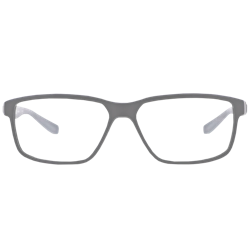
Are there reasons for limiting your exposure to blue light from screens and LEDs? And if so, are blue-light glasses the solution?
I will measure their effect on a laptop screen and a white LED with a spectrometer - and compare them to UV-blocking amber glasses.
I do find a use case for the blue-light glasses, but maybe there are better solutions for keeping our eyes happy in everyday life? Such as red-shifting screens and buying a much bigger TV?
Let’s find out!
Anecdotally, it helps me a lot. It helps eye strain and when I’m working all day in the whitest of lighting, they’re more socially acceptable than sunglasses.
Yeah, always found it weird that people get blue light filters in their every-day-glasses. It’s kind of like the dark theme craze from a few years ago. Screens are significantly less bright than looking outside a window, even on a cloudy day. And we evolved to run around in sunlight for many hours a day, so you’ll be fine.
Hell, you’ll be less fine, if you don’t blast your eyes with bright lights, because melatonin production isn’t inhibited, which you do want during the day.
the dark theme craze from a few years ago
I didn’t understand it until very recently. Age is really catching up with my eyesight now, and I need the dark themes in the evening. Otherwise, even with the laptop’s backlight turned all the way down , it’s really straining on my eyes.
Red shifting doesn’t do anything for me though, as I’ve never had any trouble falling asleep with blue light around. But I get that some people need it.
