

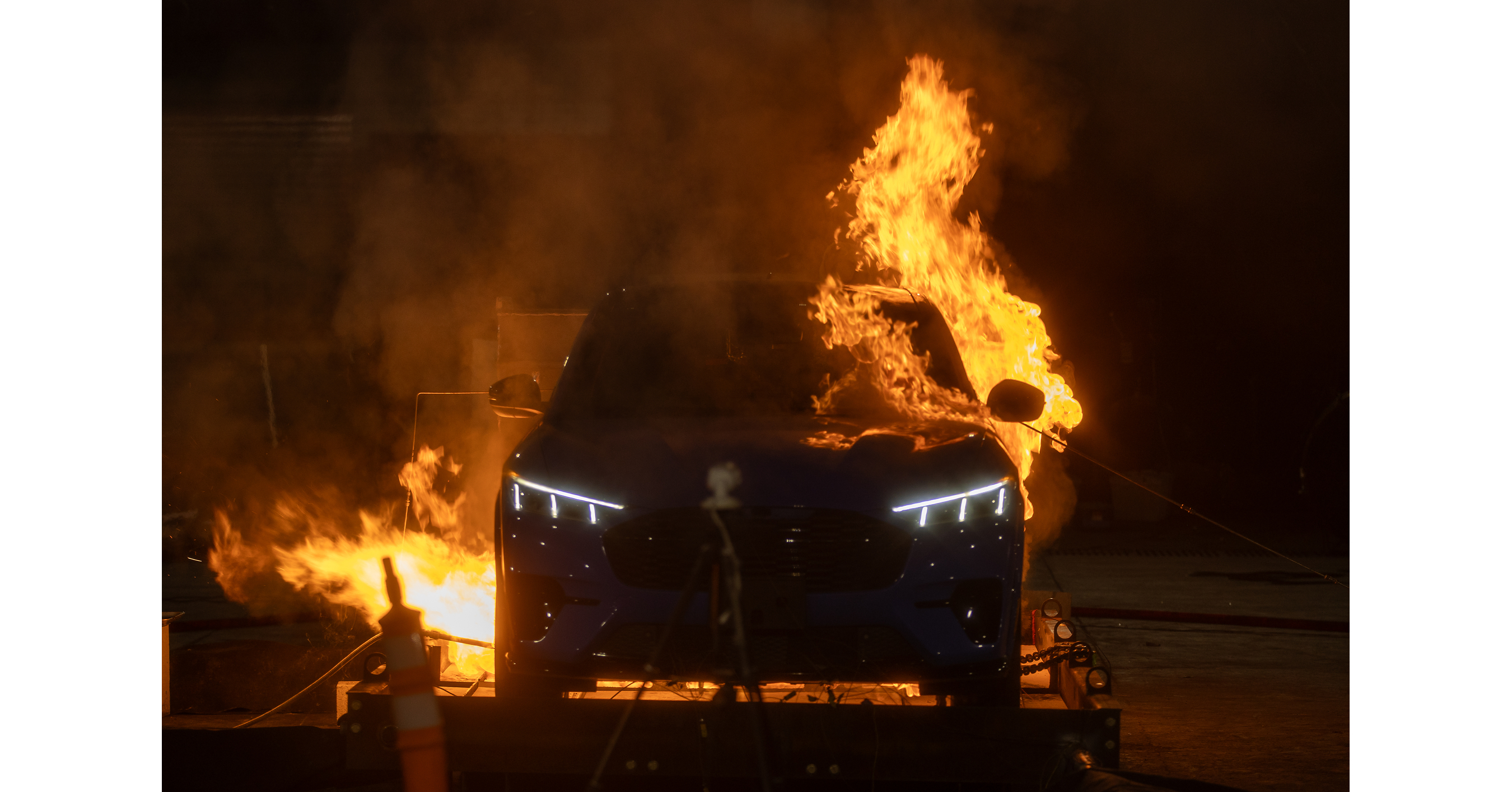
This was the first link I could find, but I saw this on the Ms. Go Electric YouTube channel.
"Key findings from the report include:
Expect similar fire behavior and hazards from EVs and gas vehicles
Data from free-burn experiments concluded that EV and ICEV fires are similar in fire growth rate, peak fire size, and fire duration. On average, EVs released more total energy, attributed to greater vehicle mass."
I’d be curious to see the results from testing LFP batteries, which they didn’t include in this study because they’re not as common yet.
I’m pretty sure none of the fires are from LFP batteries, and you can see it as good news that LFP’s share of EV battery deployments was over 55% in 2025, up from nearly 50% in 2024, and the IEA notes this share is expected to keep rising in 2026.
LFP market share for new vehicles has grown very quickly in the last 5 years. It’s both safer and cheaper than the previously dominant chemistry of NMC, so it’s a no-brainer for stationary batteries, and cheaper cars, and the energy density is catching up to NMC by adding some manganese in the cathode, to where the related LMFP chemistry might become the dominant chemistry in higher priced performance vehicles.
Correct.