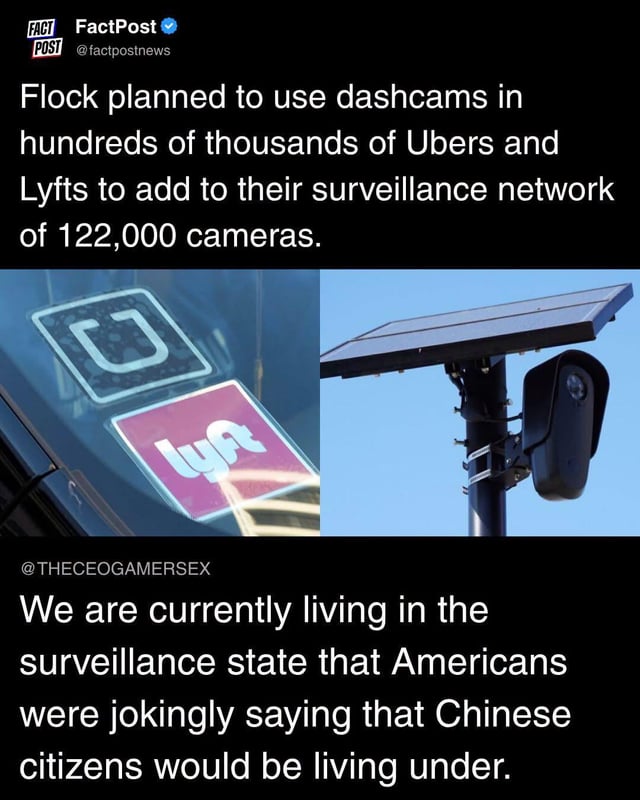
China maintains the largest and most sophisticated mass surveillance system in the world. Surveillance is primarily conducted through government entities, although corporate surveillance in connection with the CCP and Chinese government is also prevalent. China monitors its citizens through Internet surveillance, camera surveillance, and through other digital technologies. As of 2023, the country had over 700 million surveillance cameras. The surveillance has become increasingly widespread and grown in sophistication under Xi Jinping’s administration. In the 2020s, China started integrating artificial intelligence into its surveillance systems.
The People’s Republic of China (PRC) censors both the publishing and viewing of online material. Many controversial events are censored from news coverage, preventing many Chinese citizens from knowing about the actions of their government, and severely restricting freedom of the press. China’s censorship includes the complete blockage of various websites, apps, and video games, inspiring the policy’s nickname, the Great Firewall, which blocks websites. Methods used to block websites and pages include DNS spoofing, blocking access to IP addresses, analyzing and filtering URLs, packet inspection, and resetting connections.
The government blocks website content and monitors Internet access. As required by the government, major Internet platforms in China have established elaborate self-censorship mechanisms. Internet platforms are required to implement a real-name system, requiring users’ real names, ID numbers, and other information when providing services. As of 2019, more than sixty online restrictions had been created by the Chinese government and implemented by provincial branches of state-owned ISPs, companies and organizations. Some companies hire teams and invest in powerful artificial intelligence algorithms to police and remove illegal online content.
The government has censorship over all media capable of reaching a wide audience. This includes television, print media, radio, film, theater, text messaging, instant messaging, video games, literature, and the Internet. The Chinese government asserts that it has the legal right to control the Internet’s content within their territory and that their censorship rules do not infringe on their citizens’ right to freedom of speech.
As of 2026, the World Press Freedom Index ranks China 178th out of 180 countries in regard to press freedom and terms it the “world’s largest prison for journalists”. Freedom House ranks the Chinese press as “not free”, previously stating that “state control over the news media in China is achieved through a complex combination of party monitoring of news content, legal restrictions on journalists, and financial incentives for self-censorship”.
Human rights in the People’s Republic of China (PRC) are severely curtailed. Freedom of speech, freedom of the press, freedom of religion, freedom of assembly and workers’ rights are restricted by the government. The Chinese political system is authoritarian, with no freely elected national leaders, and repression of political opposition, as well as a lack of an independent judiciary, rule of law, and due process. Human rights abuses by the Chinese government are prevalent, with extensive censorship, mass surveillance, and repression of ethnic minorities and religious groups, including Christians, Muslims, Tibetan Buddhists, Uyghurs, and groups the government deems as “cults” such as Falun Gong.

You got it:
https://en.wikipedia.org/wiki/Mass_surveillance_in_China
https://en.wikipedia.org/wiki/Great_Firewall
https://en.wikipedia.org/wiki/Internet_censorship_in_China
https://en.wikipedia.org/wiki/Censorship_in_China
https://en.wikipedia.org/wiki/Chinese_censorship_abroad
https://en.wikipedia.org/wiki/Human_rights_in_China
https://en.wikipedia.org/wiki/List_of_concentration_and_internment_camps#People’s_Republic_of_China
Thanks, friend! I’m not nearly as calm when I reply to bad faith arguments.