A number of them can’t be done remotely - especially if it’s not just simply a computer repair.
Or you have a mechanic on board for repairs, just not driving the train.
Essentially, the driver often serves as half a mechanic. So, at that point, he might as well drive the train (or at least survey the system, making it either GoA 2 or 3 ).
Besides, trains already have a dozen crew anyways
Except they don’t. The number of crew is constantly being reduced - in fact, self driving trains themselves are a crew reduction method. In fact, most self driving trains don’t have any crew along in the first place.
No need to risk lives when we don’t need to.
Except it’s far from clear that we’re risking lives, see above.
There’s also babies around, they might as well also drive the train for a while. Both them and drivers have higher accident rates that automated systems, after all.
Problem is, what is the tradeoff. So you switch to driverless trains. First of all, it has only worked in completely isolated systems until now (no mainline railways). Then, you have the problem that when something goes wrong, the consequences in terms of delays are much larger, often making the news, because there’s no one there that can just “quickly do something” to get around the problem and keep going. People tend to get stuck in trains for long times when issues arise - see the REM in Montreal. What’s the consequence of unreliable public transit? People tend to avoid it more, often switching back to their cars for important trips - a much more dangerous form of transportation.


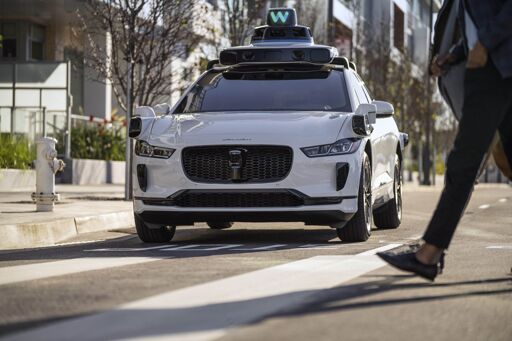
Those same computer repairs can be done remotely. Or you have a mechanic on board for repairs, just not driving the train.
Besides, trains already have a dozen crew anyways, serving drinks, checking tickets, etc. No need to risk lives when we don’t need to.
A number of them can’t be done remotely - especially if it’s not just simply a computer repair.
Essentially, the driver often serves as half a mechanic. So, at that point, he might as well drive the train (or at least survey the system, making it either GoA 2 or 3 ).
Except they don’t. The number of crew is constantly being reduced - in fact, self driving trains themselves are a crew reduction method. In fact, most self driving trains don’t have any crew along in the first place.
Except it’s far from clear that we’re risking lives, see above.
There’s also babies around, they might as well also drive the train for a while. Both them and drivers have higher accident rates that automated systems, after all.
You’re ignoring:
I’m not ignoring it, I already said that you can have a mechanic or another crew member taking care of it.